
Weight Training and Protein and Creatine: Building Muscle and Strength for a Lifetime of Health in Menopause and Beyond
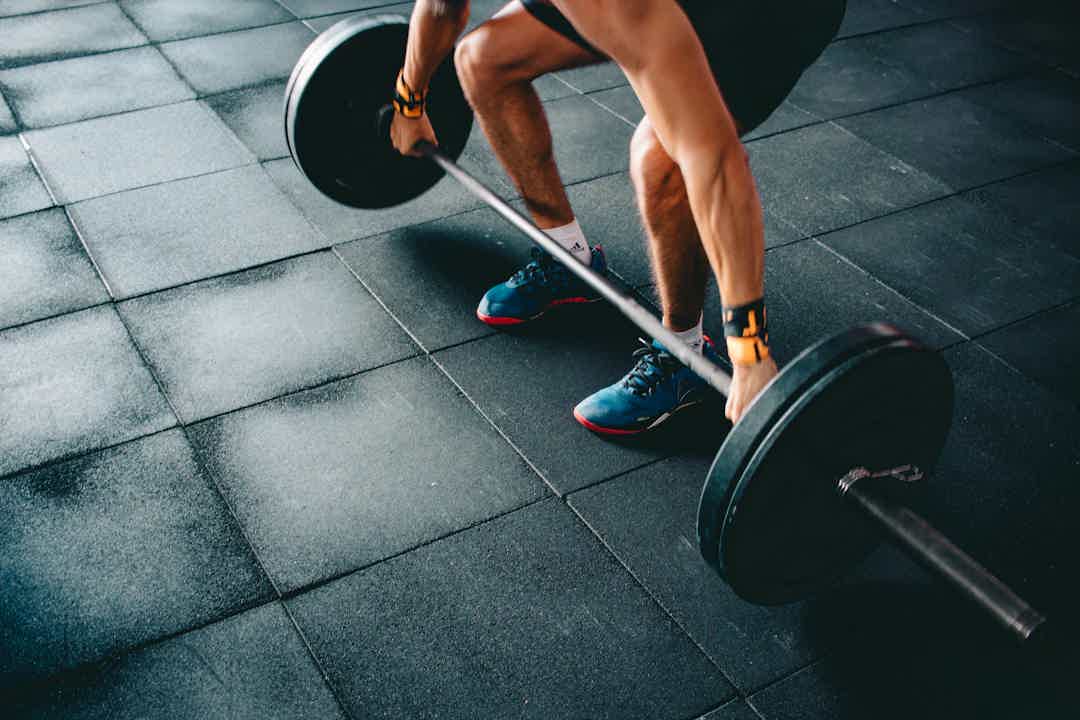
The menopause transition is a time marked by hormonal changes and a decline in estradiol as well as progesterone, that accelerates muscle loss (sarcopenia) and bone loss (osteopenia which can lead to osteoporosis). Adequate dietary protein intake and creatine monohydrate supplementation should be considered strategies to counteract this loss - as well as incorporating healthy lifestyle choices such as exercise and lifestyle changes. Understanding their effectiveness is important for developing interventions to support muscle health in women throughout the menopausal transition.
"Decreased estradiol and protein intake in post-menopausal women are associated with increased levels of neuromuscular degeneration, inflammation, and muscle protein degradation, potentially leading to reduced motor unit activation and muscle quality." (Willoughby, et al, 2024)
When aiming to build muscle and improve strength, weight training is the key starting point for all perimenopausal and menopausal women. Ensuring your nutrition is optimized with adequate protein can significantly enhance your muscle gains. Research shows that combining weight training with creatine monohydrate supplementation boosts muscle strength and performance in women who do resistance training.
The most research based protein supplement is whey protein isolate. It is a favourite of myself and many patients, as it is an easy way to ensure you are getting adequate protein in a protein shake, and research shows it can play a crucial role in muscle building. It aids in rebuilding and repairing muscle fibres after weight training. This combination not only helps with muscle recovery but also supports lean tissue growth.
"Whey protein and creatine supplementation during resistance training leads to greater increases in lean tissue mass and bench press strength compared to whey protein or placebo alone." (Cribb, 2023)
Understanding the Basics of Weight Training
Weight training is a key component of fitness that involves lifting weights to improve strength and build muscle. It requires an understanding of different exercises, techniques, and principles essential for effective workouts in the gym.
Importance of Resistance Training
Resistance training is essential for building muscle mass and enhancing strength. It involves using weights or resistance bands during exercises. This not only helps improve muscle tone but also supports bone health and improves overall stability.
Regular resistance training boosts energy production and supports metabolism. It involves repetitive workouts that help in maintaining muscle growth over time. High-intensity exercise can increase your heart rate, which supports cardiovascular health.
Progressive Overload Principle
The progressive overload principle is crucial for muscle growth and strength development. It suggests gradually increasing the weight, frequency, or intensity of your weight workouts. This ensures continuous improvement and challenges your muscles to adapt and grow.
Start with a weight that is manageable, and as you become comfortable, increase the resistance. This can be done by adding more weight or adjusting your repetitions. Consistently applying this principle prevents plateaus and keeps your muscles engaged.
Exercise Selection for Optimal Muscle Growth
Choosing the right exercises is vital for maximizing muscle growth which are effective in building overall strength. Include a mix of compound and isolation exercises in your routine.
Compound muscle exercises engage multiple muscle groups. Examples are:
- squats
- deadlifts
- bench presses
Isolated muscle exercises target specific muscles. These exercises help improve definition. Balancing these ensures well-rounded muscle development. Exercises like:
- bicep curls
- tricep extensions
Creating a strategic workout plan with varied exercises maximizes results and keeps workouts interesting. Modify your routine every few weeks to avoid monotony and stimulate continuous muscle growth. If you are new to resistance workouts, consider hiring a personal trainer or a fitness expert to help you to teach you the basic movements that you can do safely.
The Role of Protein in Muscle Building: The building blocks for your muscle
Protein plays a key role in muscle growth and recovery after workouts. To maximize muscle gains, it's important to understand how protein aids in muscle repair and the best sources for athletes.
When you exercise, your muscle fibres can tear and during recovery, the muscle tissue repairs. Protein helps rebuild these tears through a process called muscle protein synthesis. During this process, amino acids from protein help build and repair tissue. This contributes to muscle growth and recovery.
There are 20 amino acids that are the building blocks for protein, and they consist of two groups: essential and non-essential amino acids. Essential amino acids our body cannot produce, versus non-essential amino acids, our body can produce, typically by grouping essential amino acid molecules together.
Essential amino acids:
- Histidine
- Isoleucine
- Leucine
- Lysine
- Methionine (and/or cysteine)
- Phenylalanine (and/or tyrosine)
- Threonine
- Aspartic Acid
- Tryptophan
- Valine
Non-essential amino acids:
Alanine
Ornithine
Proline
Serine
Arginine
Asparagine
Cystine
Glutamic Acid
Glutamine
Glycine
Whey protein isolate is rich in essential amino acids, and casein protein, which digests slowly. Whey protein isolate is not the only option for protein, and lactose intolerant people often cannot consume Whey protein as it is derived from dairy. These these cases beef protein or a vegetarian option would be the next best option.
"Resistance training and dietary optimization can counteract or at least decelerate the degenerative ageing process, but lack of oestrogen in post-menopausal women may reduce their sensitivity to these anabolic stimuli and accelerate muscle loss." (Hansen, 2017)
Best Sources of Protein for Athletes
To build muscle effectively, choose high-quality protein food sources. These include
- chicken/poultry
- extra lean red meat
- fish/seafood
- egg whites/eggs
- dairy products- e.g. greek yogurt, cottage cheese, etc.
- tofu
- lentils/beans
Whey protein isolate and other protein powders are also convenient and effective, especially post-workout or for busy people on the go. They provide the necessary amino acids for muscle repair. Plant-based proteins like lentils and beans can also support a balanced diet. Ensure your diet includes a variety of protein sources for the best results. And as the saying goes, "variety is the spice of life"! Just ensure to prioritize protein daily and at each meal.
Calculating Your Protein Needs
Your protein needs depend on your activity level and body weight.
For most athletes, a common recommendation is 1.2 to 2.0 grams of protein per kilogram of body weight daily. This ensures you get enough amino acids to support muscle repair and growth. Adjust your protein intake based on your training intensity and goals, ensuring it fits within the context of a balanced diet. If you are not sure if this is the correct amount for you, speak to your primary care provider to figure the best total for you.
Important to note, that most studies look at the RDA (Recommended Daily Average) for nutrients such as protein for example. However, the RDA of 0.8 grams of protein per kg of body weight daily is not the amount of protein needed to increase lean muscle mass. To have the gains most people want and need for muscle growth, a higher level between 1.2 to 2.0 grams of protein per kg of body weight daily is the recommendation. If you are starting out in your protein journey it is ok to calculate to get the minimum amount, but slowly it is best to increase to the 1.2-2.0 g amount, especially as your muscle demands increase with exercise.
"Post-menopausal women should consume at least the recommended daily allowance (RDA) of 0.8 g/kg body weight/day of protein, with whey and soy protein potentially providing some benefits to muscle strength." (Black & Mattkin-Hussey, 2024)
You can download my free protein ebook here to learn more and deep dive into all things protein and how to optimize your dietary intake for your health.
Creatine Monohydrate: The Power Supplement
Creatine monohydrate is a popular supplement that many use to enhance muscle strength and improve performance. It is often touted as an effective energy source during intense physical activities.
Creatine monohydrate helps increase muscle strength and power by boosting phosphocreatine stores in your muscles. This is crucial during high-intensity workouts where quick bursts of energy are needed. Increased phosphocreatine levels replenish ATP (the energy currency of your cells), and as a result, you may experience better training performance and faster muscle gains.
For my vegetarian friends or those looking for effective ways to complement your training, it's worth noting that studies show the positive impact of creatine on muscle creatine levels. This indicates that creatine supplementation is beneficial across different diets and training regimens. A common starting dose is 3-5 grams of powder daily mixed in water post workout.
Besides physical benefits, creatine has potential cognitive advantages. Some studies suggest it may enhance mental performance under stress or fatigue. Despite these benefits, it’s important to note that individual responses can vary, and not everyone may experience the same level of improvement.
The people I would caution around creatine monohydrate supplementation, are those with kidney disease such as chronic renal conditions or those with autoimmune diseases (e.g. systemic lupus erythematosus) or those with diabetes and are not monitoring or unsure of their kidney function.
As with all supplements, it is best to speak with your primary care provider prior to starting any new regimen.
Understanding Different Forms of Creatine
Creatine comes in several forms, each with specific characteristics. The most researched and widely used type is creatine monohydrate. It is known for its effectiveness and cost-efficiency. Creatine monohydrate typically has the most studies looking its performance benefits. It also happens to be the most cost-effective form of creatine.
Other forms include creatine ethyl ester and buffered creatine. These claim to offer improved absorption or specific benefits, but evidence supporting these claims is not as strong as for monohydrate. When choosing a form, consider your specific needs and research backing the product. Creatine monohydrate remains the most recommended due to its proven track record.
Dosage and Timing for Maximum Efficacy
For creatine supplementation what was previous thought to be a "loading phase" for creatine, is not widely recommended. The general recommendations especially for women who want to use creatine monohydrate as part of their workout routine, is to use 3-5 grams of powder mixed in water.
Taking creatine around your workout sessions can enhance its effectiveness. Consistent daily supplementation rather than timing doses solely around workouts appears more critical for maintaining elevated muscle creatine stores.
Drinking plenty of water is recommended to assist absorption and support muscle hydration. Adjustments might be needed based on your specific goals and body response.
Synergistic Effects of Protein and Creatine
Combining protein and creatine supplements can enhance the benefits of resistance training. These supplements help with muscle growth and overall athletic performance, making them popular among those in fitness and bodybuilding.
When you use protein and creatine together, you may notice improvements in muscle mass. Protein powders supply your muscles with essential amino acids vital for muscle growth. Creatine plays a role by helping your muscles produce energy during high-intensity workouts, like weightlifting.
Recovery and Performance Considerations
Post-workout recovery is crucial for progress in your fitness journey. Protein supports muscle recovery after intense exercises. Creatine aids in reducing muscle fatigue by replenishing energy stores quickly, which supports faster recovery.
In terms of athletic performance, creatine helps in short bursts of energy necessary for sprinting or lifting. Meanwhile, protein assists with muscle repair, ensuring that you can maintain consistent training regimes. For older adults, the combination of resistance training with creatine and protein supplementation can help combat muscle frailty and improve strength.
Timing Your Intake for Optimal Results
For creatine, taking it close to your workout can be beneficial. Many athletes find that using creatine before exercise ensures they have the energy for high-intensity efforts. Post-workout, creatine can aid in recovery. Timing your supplements around workouts can help improve your overall performance and recovery time.
Balancing Supplements with a Healthy Diet
While supplements can aid sports performance, it is never a replacement for a balanced diet. Eating a variety of fruits, vegetables, and whole grains provides essential minerals and vitamins. Protein from foods like lean meats, fish, poultry, tofu and beans supports muscle maintenance.
Creatine is found naturally in foods like red meat and fish, but supplementation ensures you get enough, especially if you as dietary amounts of creatine are often not enough for the therapeutic amounts we are targeting.
FAQS:
1. What are the potential side effects of taking creatine supplements?
Some potential side effects of creatine include bloating, dehydration, and muscle cramps. Most studies suggest that these effects are rare and usually mild. It is important to stay hydrated and consider your body's response when starting creatine supplementation. As mentioned earlier, it is important to discuss with your primary care provider any concerns you have prior to starting any new supplement especially if you have pre-existing health concerns.
2. For weight management, should I choose whey protein or creatine?
For weight management, whey protein may be more beneficial as it helps control hunger and supports muscle maintenance while reducing fat. Creatine primarily aids in performance enhancement, which may not directly impact weight loss but can support overall fitness goals.
3. Are there any benefits to taking both creatine and protein supplements together?
Taking both creatine and protein supplements can provide complementary benefits. Creatine boosts your workout intensity and strength, while protein supports muscle repair and growth. Combining them can enhance your results in strength training and muscle development efforts.
Take home message
The health benefits of adequate protein intake for women in the menopausal transition is without a doubt a corner stone goal for women, particularly in the context of exercise and overall nutrition. However, it is important to emphasize that physical activity, especially resistance training is the most important part of a healthy lifestyle. Neither protein nor creatine supplementation alone appears to significantly counteract menopause-related muscle decline without resistance training. Hormonal changes play a key role in muscle health, and multifaceted approaches—including a healthy diet, exercise, and possibly hormone therapy—may be needed for optimal support during menopause.
As always, speak to your primary care provider before starting any new supplement or exercise program.
I am available for new patients in Ontario and offer free discovery calls, you can book here.
To your best health,
Dr. Amy Tung, ND, MSCP
Naturopathic Doctor
Menopause Society Certified Practitioner
References:
Bemben, M., Witten, M., Carter, J., Eliot, K., Knehans, A., & Bemben, D. (2010). The effects of supplementation with creatine and protein on muscle strength following a traditional resistance training program in middle-aged and older men. The journal of nutrition, health & aging, 14, 155-159. https://doi.org/10.1007/S12603-009-0124-8.
Black, K., & Matkin-Hussey, P. (2024). The Impact of Protein in Post-Menopausal Women on Muscle Mass and Strength: A Narrative Review. Physiologia. https://doi.org/10.3390/physiologia4030016.
Burke, D., Chilibeck, P., Davison, K., Candow, D., Farthing, J., & Smith-Palmer, T. (2001). The effect of whey protein supplementation with and without creatine monohydrate combined with resistance training on lean tissue mass and muscle strength.. International journal of sport nutrition and exercise metabolism, 11 3, 349-64 . https://doi.org/10.1123/IJSNEM.11.3.349.
Candow, D., Little, J., Chilibeck, P., Abeysekara, S., Zello, G., Kazachkov, M., Cornish, S., & Yu, P. (2008). Low-dose creatine combined with protein during resistance training in older men.. Medicine and science in sports and exercise, 40 9, 1645-52 . https://doi.org/10.1249/MSS.0b013e318176b310.
Cribb, P., Williams, A., & Hayes, A. (2007). A creatine-protein-carbohydrate supplement enhances responses to resistance training.. Medicine and science in sports and exercise, 39 11, 1960-8 . https://doi.org/10.1249/MSS.0B013E31814FB52A.
Cribb, P., Williams, A., Stathis, C., Carey, M., & Hayes, A. (2003). Effects of whey isolate, creatine, and resistance training on muscle hypertrophy.. Medicine and science in sports and exercise, 39 2, 298-307 . https://doi.org/10.1249/01.MSS.0000247002.32589.EF.
Eliot, K., Knehans, A., Bemben, D., Witten, M., Carter, J., & Bemben, M. (2008). The effects of creatine and whey protein supplementation on body composition in men aged 48 to 72 years during resistance training. The Journal of Nutrition Health and Aging, 12, 208-212. https://doi.org/10.1007/BF02982622.
Willoughby, D., Florez, C., Davis, J., Keratsopoulos, N., Bisher, M., Parra, M., & Taylor, L. (2024). Decreased Neuromuscular Function and Muscle Quality along with Increased Systemic Inflammation and Muscle Proteolysis Occurring in the Presence of Decreased Estradiol and Protein Intake in Early to Intermediate Post-Menopausal Women. Nutrients, 16. https://doi.org/10.3390/nu16020197.
Disclaimer:
The information in this blog is for educational and informational purposes only. It is not intended to be a substitute for professional medical advice, diagnosis, or treatment. Always seek the guidance of your doctor or other qualified health professional with any questions regarding a medical condition or treatment. Never disregard professional medical advice or delay seeking treatment because of something you have read in this blog.
Individual results may vary, and the strategies discussed here are not guaranteed to work for everyone. This content does not create a patient-client relationship and should not be used as a replacement for personalized medical care.