
Understanding Menopause: Symptoms, Stages, and What to Expect
Menopause is a natural process that marks the end of a woman's reproductive years. It typically occurs in women between the ages of 45 and 55, but this age can vary depending on the individual to be earlier or later. Menopause is a natural part of aging. However, for many women it can cause a range of symptoms and health issues that can be challenging to deal with.
I often tell my patients that "yes it is a natural phase in a woman's life, but suffering through symptoms is not required. There are safe treatment options."
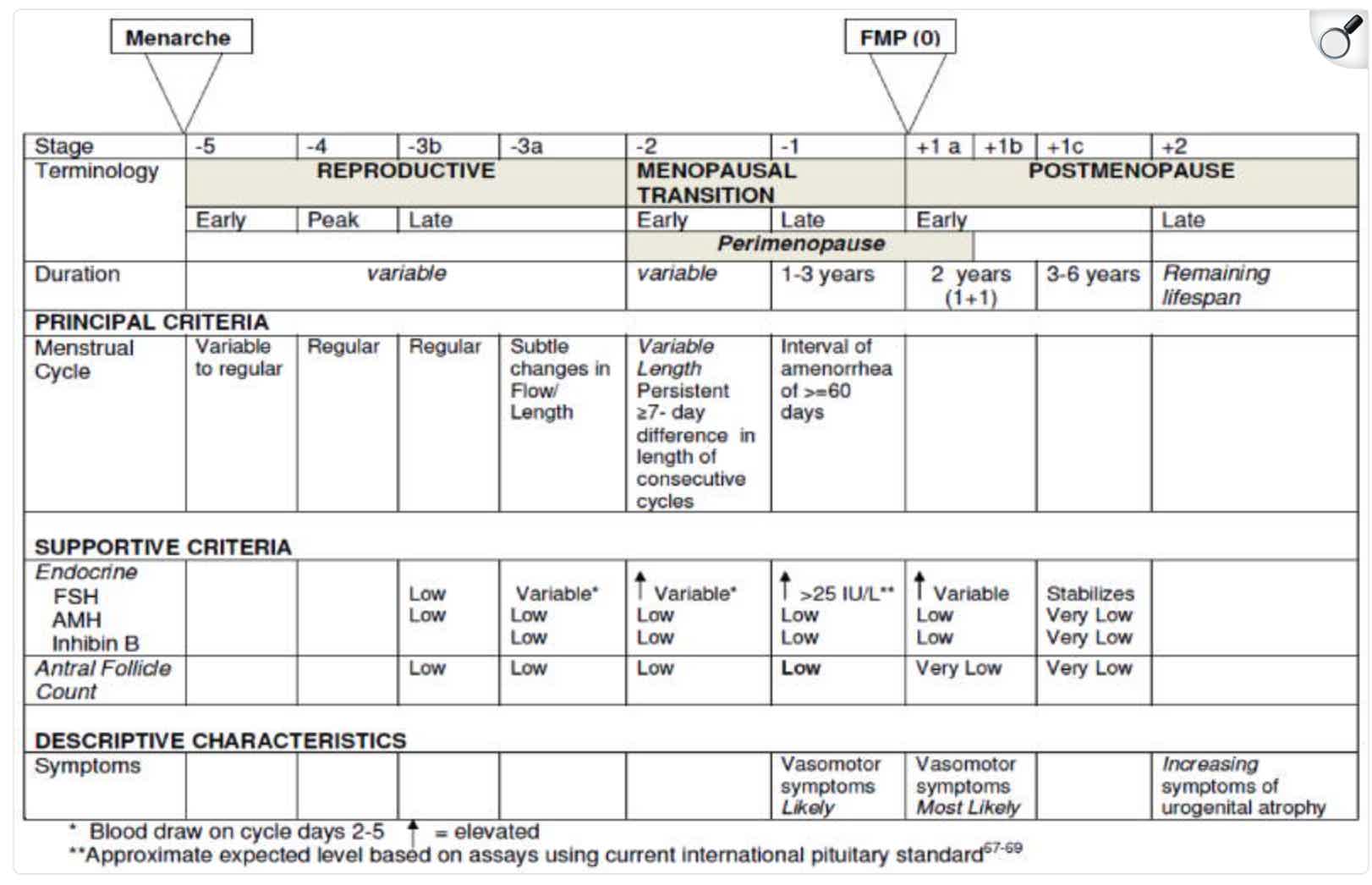
The perimenopause, synonymous with the menopausal transition, includes stages -1 and -2 of the STRAW+10 system (see image below). This time is marked by a variety of symptoms such as hot flashes, night sweats, mood changes such as anxiety and depression, sleep, sexual, genitourinary, memory changes, and physical symptoms such as joint issues or inflammation which can significantly impact the quality of life.
Source: Harlow, et al 2012, the Stages of Reproductive Aging Workshop Criteria (STRAW+10) the research used for staging is seen in the diagram above.
Focusing on the midlife years, there are three phases/stages of the menopause transition: 1. Early menopause transition, 2. Late menopause transition and 3. Postmenopause.
Perimenopause spans the early, late menopausal transition years and part of the post menopause years.
Understanding the Menopause Transition
1. Early menopausal transition is the first stage and can begin highly variable in terms of length of cycle, but typically cycle that gets more than 7 days length difference is seen. During this time, a woman's body starts to produce less estrogen, which can cause irregular periods and other symptoms.
2. Late menopausal transition is typically 1-3 years prior to a woman's final menstrual period (FMP) or "menopause". Her periods typically become further apart and typically more then 60 days between periods. This is also when hot flashes and night sweats (vasomotor symptoms) are typically starting.
3. Menopause is the point when a woman has not had a period for 12 months. It is defined as her "final menstrual period" (FMP).
4. Postmenopause is the stage that follows menopause and can last for several years. During this time, a woman's body continues to adjust to the changes brought on by menopause. It can also be further divided into early and late stage.
Transition to Postmenopause
Postmenopause is the stage after menopause when a woman has not had a period for at least 12 months. Women may still experience symptoms such as hot flashes, vaginal dryness, and mood changes. Additionally, postmenopausal women are at increased risk for certain health conditions such as osteoporosis and heart disease. This is also why I encourage my patients who are in their 30's and 40's to focus on their bone health with strategies to prevent bone loss, and to dial in on their nutrition, exercise and protein intake for optimal muscle.
Premature Ovarian Insuffiency (POI) and Early Menopause
Premature ovarian insuffiency (POI) occurs when a woman experiences menopause before the age of 40. Early menopause occurs when a woman experiences menopause between the ages of 40 and 45.
Both POI and early menopause can be caused by a variety of factors, including genetics, surgery, chemotherapy, radiation therapy, trauma, autoimmune, or unknown causes. Women who experience POI or early menopause are at increased risk for certain health conditions, such as osteoporosis and heart disease. They may need to consider hormone replacement therapy to manage symptoms and reduce their risk of these conditions. Speak to your primary care provider to discuss if this is a good option for you.
Physical and Emotional Symptoms of the Menopausal Transition
- Hot flashes: sudden episodes of intense heat that can cause sweating, flushing, and heart palpitations.
- Night sweats: episodes of excessive sweating during the night that can disrupt sleep.
- Vaginal dryness: a common symptom that can cause discomfort during sexual intercourse and increase the risk of vaginal infections.
- Osteoporosis: a condition that causes bones to become brittle and fragile, increasing the risk of fractures.
- Sleep problems: insomnia, sleep apnea, and other sleep disorders can be common during menopause.
- Emotional Well-being and Mental Health
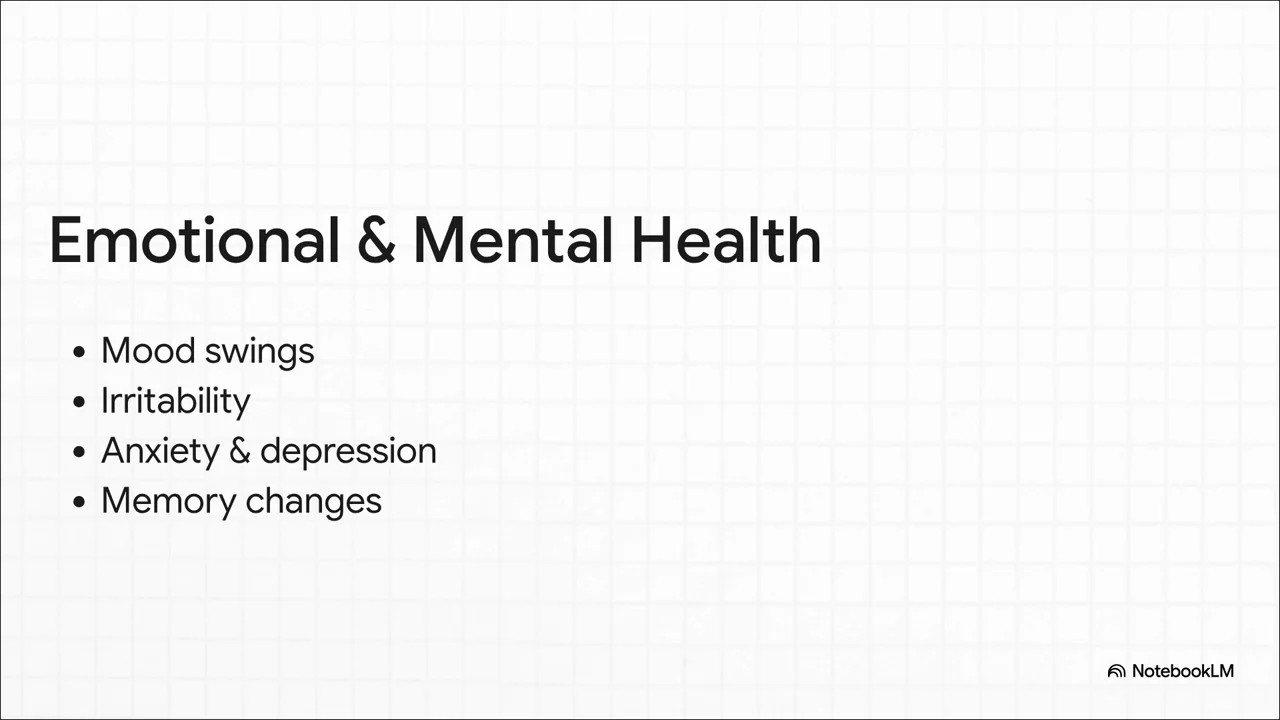
Menopause can also have a significant impact on a woman's emotional well-being and mental health. Some common emotional and mental health symptoms associated with menopause include:
- Mood swings: sudden and intense changes in mood, including irritability, anxiety, and depression.
- Weight gain: many women experience weight gain during menopause, which can be attributed to hormonal changes, a slower metabolism, and lifestyle factors.
- Urinary incontinence: a common symptom that can cause embarrassment and affect a woman's quality of life.
- Libido changes: many women experience a decrease in sexual desire during menopause, which can be attributed to hormonal changes and other factors.
It is important to note that not all women will experience the same symptoms during menopause, and the severity and duration of symptoms can vary. If you are experiencing symptoms that are affecting your quality of life, it is important to speak with your healthcare provider about treatment options.
Long-Term Factors to Consider
The gradual decrease in estrogen levels during the menopausal transition can increase the risk of long-term health issues.
Estrogen helps keep blood vessels flexible and healthy, and low levels of estrogen can lead to a buildup of cholesterol in the arteries, increasing the risk of heart disease. Additionally, estrogen plays a crucial role in maintaining bone density, and low levels of estrogen can lead to osteoporosis.
To decrease these long-term health risks, women should maintain a healthy lifestyle, including regular exercise and a balanced diet. I also encourage women to manage stress and to focus on good quality sleep.
Your primary care provider may also recommend hormone replacement therapy (HRT) to help manage symptoms and reduce the risk of long-term health issues. HRT is the standard of care for women in menopause who are experiencing vasomotor symptoms such as hot flashes and night sweats. It is a safe and well studied treatment option. I recommend all my patients read the Menopause Society FAQs sheets before deciding to go on HRT. You can find it here. HRT means a woman is taking estrogen and progesterone to replace the hormones that the body no longer makes at the same level that it once did. It is important to discuss the pros and cons and the risks and benefits of HRT with your healthcare provider before starting any treatment.
Managing Menopause: Treatments and Lifestyle
Lifestyle changes can also help manage menopause symptoms. Regular exercise can help reduce hot flashes and improve mood. A healthy diet that includes plenty of fruits, vegetables, and whole grains can also help manage symptoms.
Other lifestyle adjustments that may provide relief include using a vaginal moisturizer or lubricant to combat vaginal dryness, taking supplements like vitamin D3 to support bone health, and avoiding triggers like caffeine and alcohol that can worsen symptoms.
In addition to lifestyle changes, medication is also available to help manage vasomotor symptoms like hot flashes and night sweats. These medications include Selective Serotonin Reuptake Inhibitors (SSRIs) and Gabapentin. You can read about more non-hormone options for hot flashes and night sweats here.
If you have questions and would like to book a discovery call with Dr. Amy, please click here.
Wishing you health,
Dr. Amy Tung, ND
Naturopathic Doctor
Menopause Society Certified Practitioner
References:
Harlow, S., Gass, M., Hall, J., Lobo, R., Maki, P., Rebar, R., Sherman, S., Sluss, P., & De Villiers, T. (2012). Executive summary of the Stages of Reproductive Aging Workshop + 10: addressing the unfinished agenda of staging reproductive aging.. The Journal of clinical endocrinology and metabolism, 97 4, 1159-68 . https://doi.org/10.1210/jc.2011-3362.
Hale, G., Robertson, D., & Burger, H. (2014). The perimenopausal woman: Endocrinology and management. The Journal of Steroid Biochemistry and Molecular Biology, 142, 121-131. https://doi.org/10.1016/j.jsbmb.2013.08.015.
Jaff, N., Snyman, T., Norris, S., & Crowther, N. (2014). Staging reproductive aging using Stages of Reproductive Aging Workshop + 10 in black urban African women in the Study of Women Entering and in Endocrine Transition. Menopause, 21, 1225–1233. https://doi.org/10.1097/GME.0000000000000235.
Srivastava, S., & S, S. (2024). Perimenopause: Review Article. Journal of Gynecological & Obstetrical Research. https://doi.org/10.61440/jgor.2024.v2.13.
Disclaimer:
The information in this blog is for educational and informational purposes only. It is not intended to be a substitute for professional medical advice, diagnosis, or treatment. Always seek the guidance of your doctor or other qualified health professional with any questions regarding a medical condition or treatment. Never disregard professional medical advice or delay seeking treatment because of something you have read in this blog.
Individual results may vary, and the strategies discussed here are not guaranteed to work for everyone. This content does not create a patient-client relationship and should not be used as a replacement for personalized medical care.
