
Protein for Women Over 40: The Missing Piece in Midlife Health and Weight Management
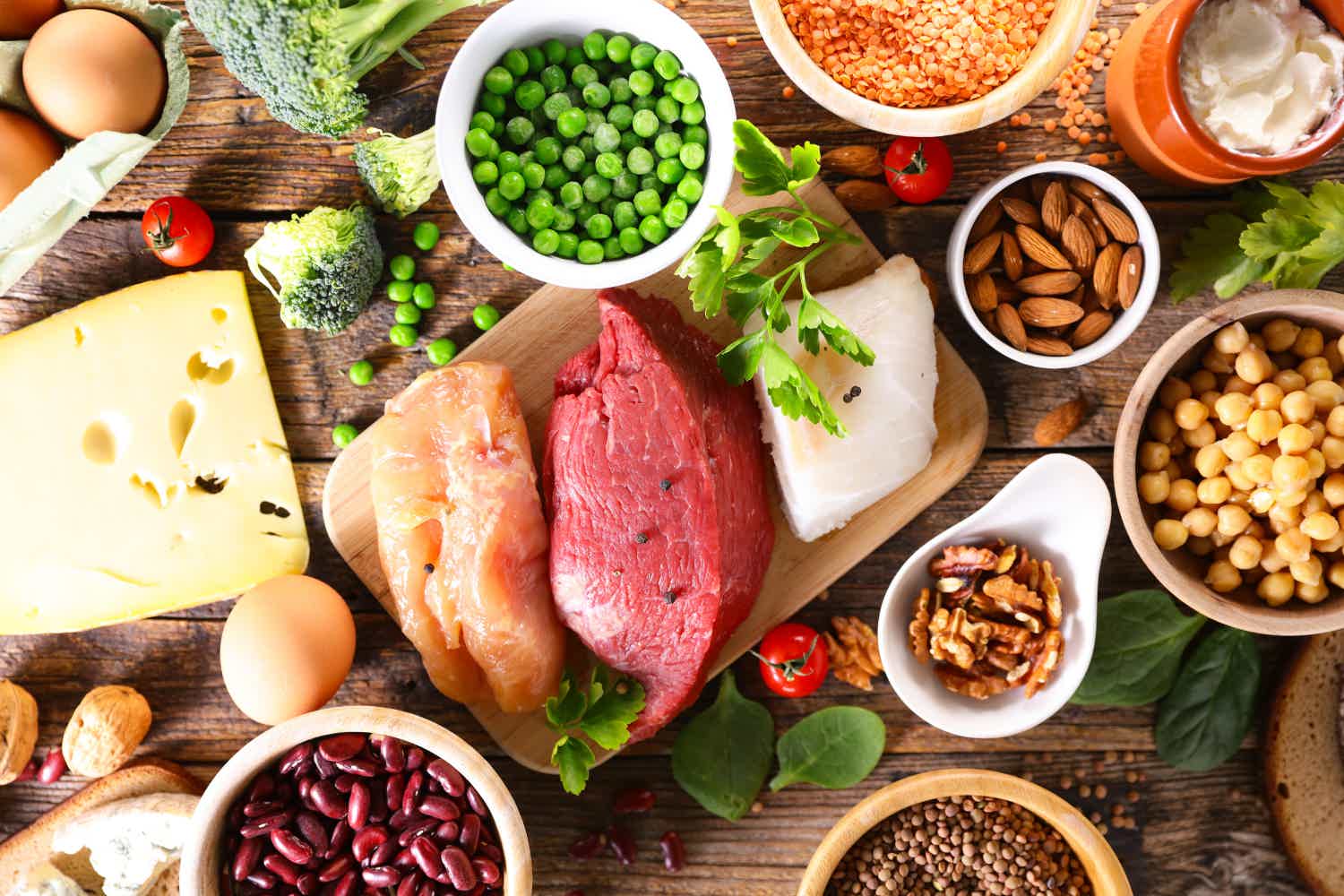
When discussing women's health in midlife, conversations typically centre around carbohydrates and fats—blood sugar management, cholesterol levels, abdominal weight gain, and menopause-related metabolic changes. However, protein is arguably the most critical macronutrient for women over 40 as we move through perimenopause and beyond.
Protein intake is a key dietary factor influencing various aspects of women’s health, especially as women age. Research has explored its effects on bone health, muscle loss (sarcopenia), muscle strength, physical function, chronic disease risk, and healthy aging, with particular attention to the type and amount of protein consumed.
"Sarcopenia, the involuntary loss of skeletal muscle with age, affects up to one quarter of older adults. Evidence indicates a positive association between dietary protein intake and lean muscle mass and strength among older persons, but information on dietary protein's effect on physical performance in older adults has received less attention."
(Gregorio et. al, 2013)
Protein Needs Shift With Age, But Most Advice Doesn’t
As estrogen declines in the menopause transition, women experience changes in how their bodies store fat, regulate blood sugar, and retain muscle. Muscle is metabolically active tissue. It helps regulate glucose, improves insulin sensitivity, and supports better energy balance.
When estrogen (specifically estradiol) levels decline, metabolism slows, fat gain becomes easier, and risk for diseases such as insulin resistance and type 2 diabetes increases. This shift is one of the major reasons midlife weight gain can feel so sudden and stubborn.
As we age, our bodies become less efficient at using the protein we eat—a concept known as anabolic resistance. That means older adults often need more protein than younger ones to get the same benefits.
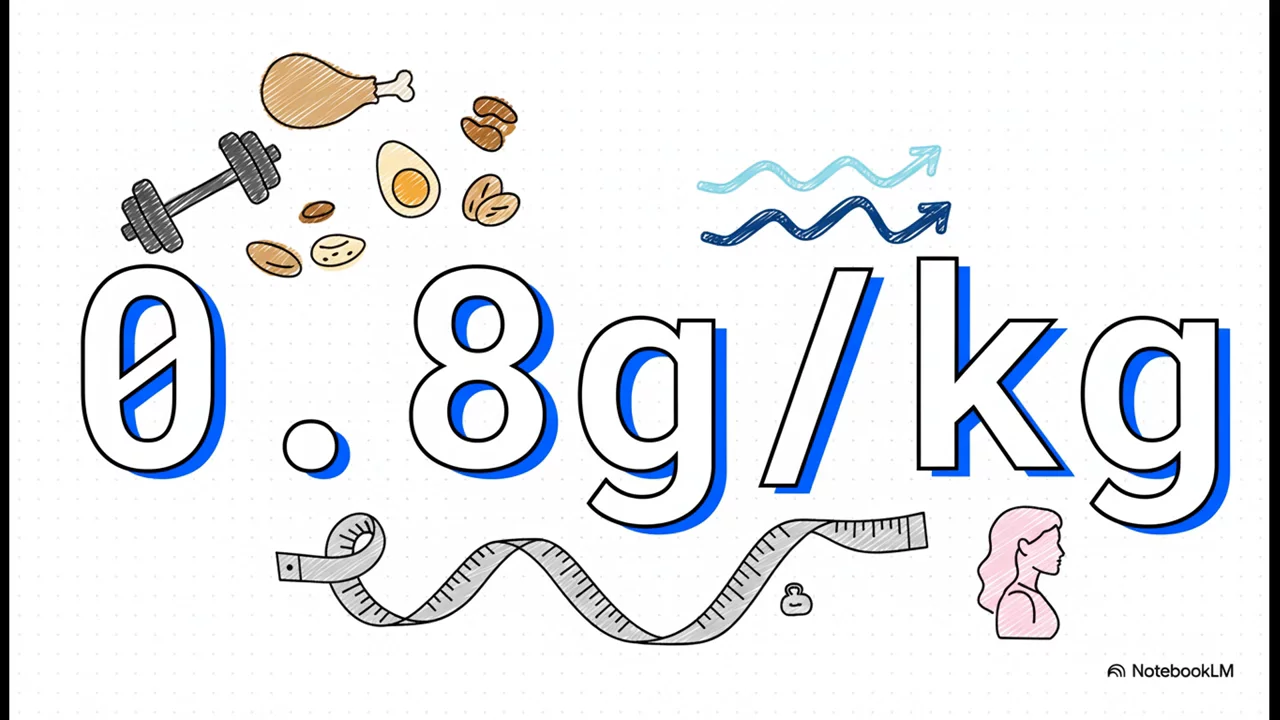
But you wouldn’t know it by looking at most nutrition advice, which still hovers around 0.8 grams per kilogram of body weight—a number based on avoiding deficiency, not optimizing health. This amount is much too low for women in perimenopause.
More Protein Isn’t Just “Okay”—It Might Be Better
Several studies over the past few years have found that higher-protein diets, particularly when combined with strength training, result in greater fat loss, better muscle retention, and improved physical performance—even in older adults, including those with chronic conditions like type 2 diabetes. Resistance based movement is especially powerful for muscle growth that walking alone didn’t trigger.
One recent study followed older adults with low fitness markers and split them into two groups. The higher-protein group (1.2–1.5g/kg/day) significantly improved handgrip strength and physical performance over 12 weeks. The lower-protein group? They got weaker.
"Higher protein intake is linked to better physical performance, muscle strength, and reduced risk of frailty and functional limitations in older women. Distributing protein intake evenly across meals further decreases the odds of functional limitations."
(Houfek, et al., 2022)
Another long-term study found that higher protein intake (regardless of source) was associated with lower mortality, especially among older adults and those with chronic illness. That includes people with kidney disease—challenging the old belief that high-protein diets are automatically harmful in that population.
Protein is your priority, Period.
For perimenopausal and menopausal women navigating hormone shifts, lifestyle changes, and midlife health risks - protein is a key macro that needs to be optimized. It’s key for building skeletal muscle, and maintaining mobility and function, supporting metabolism, protecting against chronic disease, and improving quality of life as we age.
Download my free protein ebook here where I discuss my top tips for optimizing protein intake for women in midlife.
If you are interested in working with me as a patient, I offer free discovery calls with Ontario residents you can book here.
To your best health,
Dr. Amy Tung, ND, MSCP
Naturopathic Doctor
Menopause Society Certified Practitioner
References:
https://www.medscape.com/viewarticle/why-protein-intake-may-be-underserved-lifestyle-advice-2025a1000c0g?ecd=mkm_ret_250523_mscpmrk-OUS_ICYMI_CA_etid7441896&uac=346922SZ&impID=7441896
Cassidv, A., Bingham, S., & Setchell, K. (1994). Biological effects of a diet of soy protein rich in isoflavones on the menstrual cycle of premenopausal women.. The American journal of clinical nutrition, 60 3, 333-40 . https://doi.org/10.1093/AJCN/60.3.333.
Gregorio, L., Brindisi, J., Kleppinger, A., Sullivan, R., Mangano, K., Bihuniak, J., Kenny, A., Kerstetter, J., & Insogna, K. (2013). Adequate dietary protein is associated with better physical performance among post-menopausal women 60–90 years. The journal of nutrition, health & aging, 18, 155-160. https://doi.org/10.1007/s12603-013-0391-2.
Houfek, A., Garden-Robinson, J., Hilliard, E., Rhee, Y., Stastny, S., Belury, M., Cawthon, P., & McGrath, R. (2022). Older American Women May Especially Benefit from Distributing and Consuming Protein for Decreasing Odds of Functional Limitations. The journal of nutrition, health & aging, 26, 1025 - 1032. https://doi.org/10.1007/s12603-022-1857-x.
Kim, K., Yisahak, S., Nobles, C., Andriessen, V., DeVilbiss, E., Sjaarda, L., Alohali, A., Perkins, N., & Mumford, S. (2021). Low intake of vegetable protein is associated with altered ovulatory function among healthy women of reproductive age.. The Journal of clinical endocrinology and metabolism. https://doi.org/10.1210/clinem/dgab179.
Mercer, D., Convit, L., Condo, D., Carr, A., Hamilton, L., Slater, G., & Snipe, R. (2020). Protein Requirements of Pre-Menopausal Female Athletes: Systematic Literature Review. Nutrients, 12. https://doi.org/10.3390/nu12113527.
Wang, F., Dou, P., Wei, W., & Liu, P. (2024). Effects of high-protein diets on the cardiometabolic factors and reproductive hormones of women with polycystic ovary syndrome: a systematic review and meta-analysis. Nutrition & Diabetes, 14. https://doi.org/10.1038/s41387-024-00263-9.
Disclaimer:
The information in this blog is for educational and informational purposes only. It is not intended to be a substitute for professional medical advice, diagnosis, or treatment. Always seek the guidance of your doctor or other qualified health professional with any questions regarding a medical condition or treatment. Never disregard professional medical advice or delay seeking treatment because of something you have read in this blog.
Individual results may vary, and the strategies discussed here are not guaranteed to work for everyone. This content does not create a patient-client relationship and should not be used as a replacement for personalized medical care.