
Muscle vs. Fat: Why Strength Training, Protein, and Creatine Matter More Than the Scale
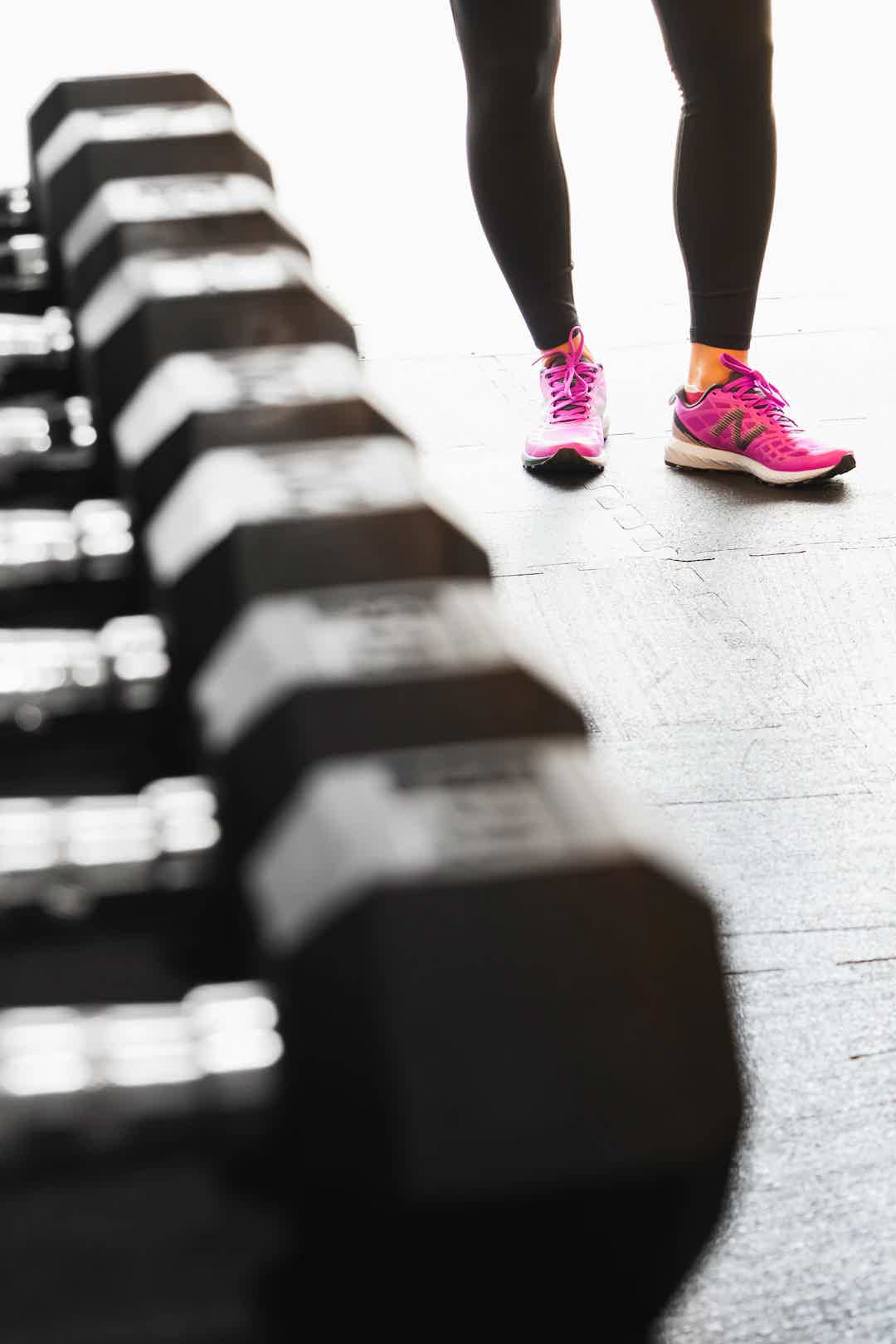
If you’re in your 40’s or 50’s and notice that your body feels softer, your clothes fit differently, or the scale is creeping up—even when you haven’t changed your eating habits—you’re not alone. During perimenopause and menopause, shifts in hormones accelerate muscle loss and fat gain.
The good news? Building and maintaining muscle through weight training, adequate protein can make a dramatic difference in how you look, feel, and age.
Muscle vs. Fat: What’s the Difference?
It’s important to remember that muscle and fat are not the same. Muscle is metabolically active tissue, meaning it burns calories even at rest. Fat, especially visceral fat stored in the abdomen, does not.
Muscle supports strength, posture, bone health, and metabolism. Excess fat, particularly around the midsection, increases the risk of heart disease, type 2 diabetes, as well as dementia.
“Age-related muscle loss (sarcopenia) begins as early as the 30’s, accelerating during the menopausal transition due to declining estrogen.” (Messier et al., 2011)
Why Weight Training Is Essential in Midlife
Cardio is important for heart health, but it’s resistance training that preserves and builds muscle.
One pound of muscle takes up less space than one pound of fat, so two women of the same weight can look very different depending on their muscle-to-fat ratio.
For women in the menopausal transition, strength training helps to:
- Increase lean body mass and metabolism
- Reduce visceral belly fat
- Improve bone density and lower osteoporosis risk
- Enhance insulin sensitivity
- Support confidence, energy, and mobility
“Progressive resistance training is the most effective intervention for combating sarcopenia and improving functional ability in older adults.” (Peterson et al., 2010)
Tip: Even 2–3 sessions per week can make a measurable difference. Think squats, deadlifts, push-ups, and resistance band work—movements that challenge multiple muscle groups.
Protein: The Building Block of Muscle
Protein needs increase with age, especially for women going through the menopausal transition. While the general recommendation for adults is 0.7-0.8 g/kg, research suggests midlife women may benefit from 1.2–1.6 g/kg of body weight daily to maintain muscle.
(Please Note: this is a general calculation and may not be specific for your needs. Talk to your primary health care provider about your specific health needs.)
E.g. A woman who weighs 175 lb (79.5 kg) woman would aim for around 122.5–140 g of protein daily (this target can still vary also depending on the activity level of the individual)
Sources include:
- Lean meats (beef, pork, bison), poultry (chicken, turkey), and fish & seafood
- Eggs (whole or egg whites) and dairy (Greek yogurt & cottage cheese)
- Plant-based options like tofu & edamame
- Whey or plant-based protein powders for convenience
Tip: I often recommend at least one shake supplement daily to meet protein targets.
“Higher protein intake is associated with better muscle mass, strength, and physical function in older women.” (Houston et al., 2008)
The Role of Creatine for Women in Midlife
Creatine isn’t just for athletes—it’s one of the most well-researched supplements for supporting muscle health. Creatine monohydrate the most common form available has been shown to:
- Increases energy availability for muscle contractions
- Supports muscle growth and strength gains from training
- May benefit bone health and cognitive function in midlife women
A typical dose is 3–5 g daily, and it’s safe for most healthy women. Combining creatine with resistance training and adequate protein provides the best results.
“Creatine supplementation enhances the effects of resistance training on muscle mass and performance in older adults.” (Candow et al., 2014)
Putting it all together
- Lift weights 2–3 times per week – Focus on progressive overload with movements like squats, lunges, deadlifts, rows, and presses.
- Eat enough protein – Aim for 25–40 g per meal, evenly spaced throughout the day. The amount varies depending on your activity level and individual needs.
- Supplement wisely – Consider creatine for extra support in building and preserving lean mass.
- Don’t fear carbs and fats – Balanced meals with whole-food carbs and healthy fats support hormone balance and energy.
- Prioritize recovery – Sleep and stress management are key to muscle repair and fat balance.
Strong over skinny
"We need to move our bodies to be strong, not skinny." - Dr. Mary Claire Haver, MB, OBGYN Author of The new menopause
The scale doesn’t tell the whole story. Muscle weighs more than fat but takes up less space, meaning you may not see huge changes in body weight even while transforming your shape and health. What matters most is preserving strength, protecting your bones, and keeping your metabolism strong.
By focusing on resistance training, adequate protein, and adding creatine monohydrate, you can shift the balance toward muscle and away from fat—making midlife not just manageable, but powerful.
If you would like to book a discovery call with Dr. Amy book here.
To your best health,
Dr. Amy Tung, ND
Naturopathic Doctor | Menopause Society Certified Practitioner
References
Messier, V., et al. (2011). Menopause and sarcopenia: A potential role for estrogens. Maturitas, 68(4), 331–336.
Peterson, M. D., et al. (2010). Resistance exercise for the aging adult: Clinical implications and prescription guidelines. American Journal of Medicine, 123(6), 505–514.
Houston, D. K., et al. (2008). Dietary protein intake is associated with lean mass change in older, community-dwelling adults. Journal of Nutrition, 138(2), 343–348.
Candow, D. G., et al. (2014). Effects of creatine supplementation and resistance training in older adults: A meta-analysis. Medicine & Science in Sports & Exercise, 46(6), 1194–1203.