
Hormone Replacement Therapy (HRT) FAQs: What Midlife Women Need to Know

Hormone Replacement Therapy (HRT) also known as Menopausal Hormone Therapy (MHT) remains the most effective treatment for hot flashes, night sweats, and genitourinary symptoms of menopause, but it is not a one‑size‑fits‑all solution.
As a Menopause Society Certified Practitioner (MSCP) I often refer my patients to read the Menopause Society’s 2022 Hormone Therapy Position Statements which emphasize; "personalized, evidence‑based care and shared decision‑making so women can weigh benefits and risks in the context of their health history and goals."
So what does this mean for you?
Hormone Replacement Therapy and Heart Disease
HRT is not recommended for the prevention of Atheroschlerotic Cardiovascular Disease (ASCVD - which includes heart disease(, either as primary or secondary prevention. (Primary prevention is to prevent heart attacks or strokes in women who have never had an event. Secondary prevention is to prevent heart attacks or strokes in women who have had an event in the past).
Timing of HRT, however, matters.
For healthy women under the age of 60 and within 10 years of their final menstrual period, HRT is associated with a more favourable effect on coronary heart disease and all‑cause mortality, but these benefits must be balanced against rare risks such as venous thromboembolism, stroke, and breast cancer.
Women who start HRT 20–30 years after menopause can have a higher risk of coronary events and clotting complications than those who initiate treatment earlier, which is why careful cardiovascular risk assessment is essential.
Discussion with your primary care provider around the cardiovascular risks and benefits of HRT is essential.
Hormone Replacement Therapy and Brain Health
HRT should not be used to prevent or treat dementia or age‑related cognitive decline. Large trials, including the Women’s Health Initiative Memory Study (WHI-MS), found an increased risk of dementia when certain oral estrogen–progestin combinations were started after age 65.
There may be cognitive benefits for women who undergo early surgical menopause and start HRT at the time of oophorectomy, but routine use of HRT for brain protection in naturally menopausal women is not supported by current evidence.
Bone Health, Fracture Risk, and Hormone Replacement Therapy
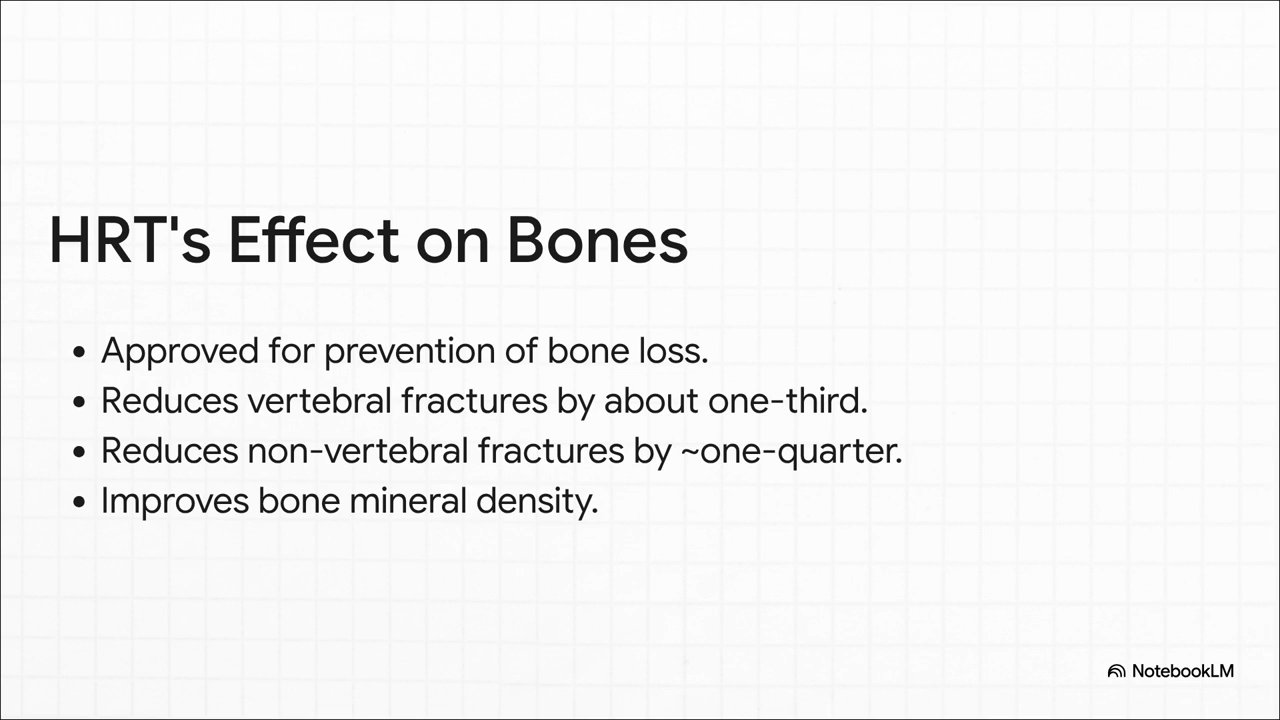
HRT is approved for the prevention of bone loss and can significantly reduce fracture risk in appropriate candidates.
Randomized trials and meta‑analyses show that menopausal hormone therapy reduces vertebral fractures by about one‑third and non‑vertebral fractures by around one‑quarter while improving bone mineral density. Stopping HRT leads to an initial rapid loss of bone density and a transient increase in fracture risk, although some long‑term protection may remain. In women with premature menopause, expert groups recommend HRT (unless contraindicated) at least until the average age of natural menopause to protect bone and reduce fracture risk.
Starting Hormone Replacement Therapy After 60
There is nothing magical about age 60, but risks generally rise with age and time from a woman's final menstrual period (or the initiation of menopause). Decisions to start HRT in the 60s should consider cardiovascular and breast cancer risk factors, bothersome symptoms, bone health, and the woman’s preferences, and HRT should not be used to prevent aging, heart disease, or dementia.
HRT and Weight Loss
HRT is also not a weight‑loss treatment. It can modestly improve body composition, but lifestyle‑based weight loss has the strongest evidence for reducing vasomotor symptoms, and early data that HRT might enhance response to weight‑loss medications are still considered preliminary.
Systemic HRT vs Vaginal Estrogen
Low‑dose vaginal estrogen is used to treat genitourinary syndrome of menopause (GSM)—vaginal dryness, pain with sex, urinary urgency and frequency—and may lower urinary tract infection risk. Systemic estrogen preferrably transdermal (e.g. patch or gel) and used with a progestogen when a woman has a uterus (e.g. Levonorgesterol "Mirena" IUD or oral micronized progesterone "Prometrium") is approved for
- vasomotor symptoms (moderate to severe hot flashes and night sweats)
- prevention of bone loss
- moderate to severe symptoms of vulvar and vaginal atrophy due to menopause (eg, vaginal dryness, itching, burning, dyspareunia)
For women with isolated vaginal symptoms, local vaginal therapy is preferred and often considered first line. Products such as vaginal tablets or creams are indicated. If GSM persists despite systemic HRT, adding low‑dose vaginal estrogen is often helpful.
If you’re considering hormone therapy, an individualized discussion with a menopause‑informed clinician is the best way to match the right treatment, dose, and route to your symptoms and long‑term health priorities.
To your best health,
Dr. Amy Tung, ND, MSCP
Naturopathic Doctor | Menopause Society Certified Practitioner
Interested in learning more about working with me?
Book a free discovery call virtually (Ontario residents only).
