
Menopause, Body Composition, and GLP‑1s: A Modern Approach to Midlife Weight Management
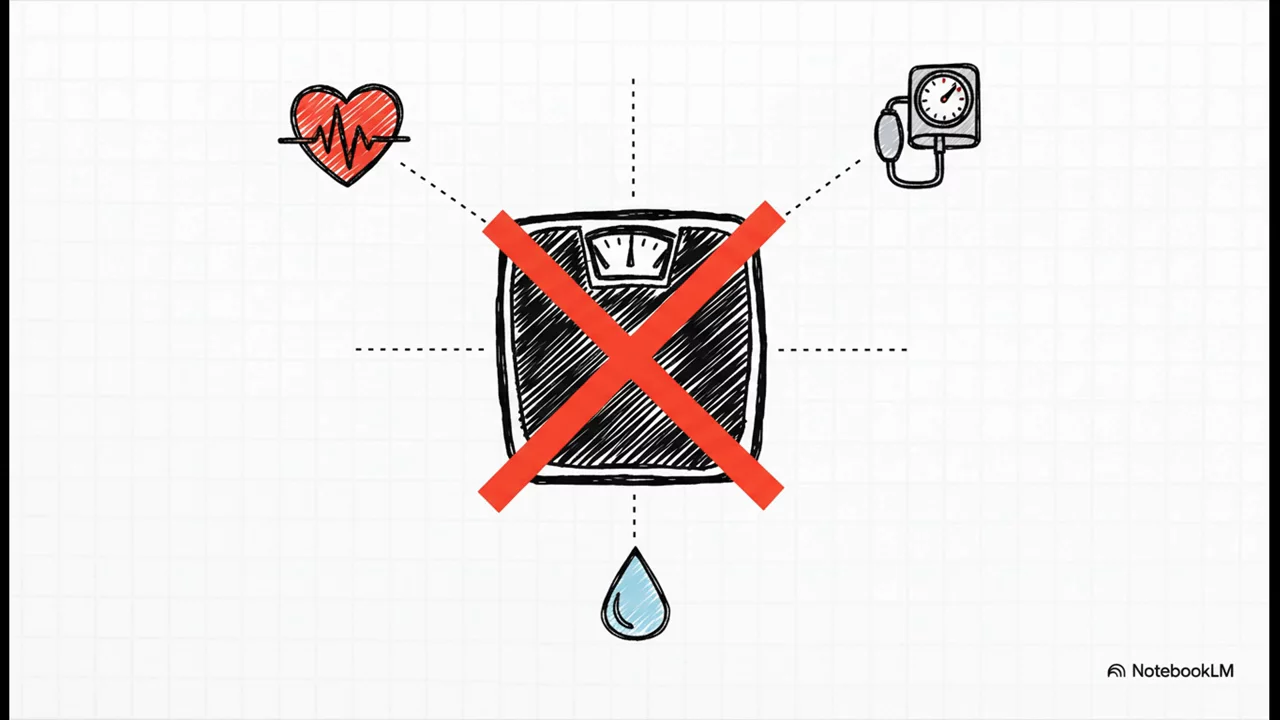
Many women in midlife face significant concerns about weight gain and challenges in losing weight during the menopausal transition. During this critical window, women experience body composition changes due to the decline in estrogen levels causing a change in fat distribution.
When women approach me for weight concerns I explain these changes that happen naturally to the female body due to the underlying biology. I also discuss heavily the lifestyle, sleep, and exercise changes that need to be made and the dietary changes that need to be made.
Body composition changes from gynoid (pear shape) fat distribution to an android (apple shape) fat distribution. The loss of estrogen signalling is a major driver of reduced muscle mass and the shift from pear shaped - hip and leg area (gynoid) to apple shaped - abdominal (android) visceral fat distribution.
"Decreased estrogen concentration and changes in body fat distribution associated with the menopausal transition, as well as chronological aging, may make midlife women more prone to weight gain and subsequent obesity. Increased weight accumulation during key lifetime transitions, such as the menopausal transition and the challenges associated with losing excess weight once it has been gained, can exacerbate cardiometabolic risk." (Kodoth, et al., 2022)
Why does muscle mass decreases in menopause?
Estrogen normally supports muscle by enhancing muscle protein synthesis, mitochondrial function and insulin sensitivity, and by helping restrain chronic inflammation. When estrogen declines, women tend to lose non‑bone lean mass and gain fat mass, even if total body weight changes only modestly. Lower estrogen also reduces physical activity tolerance and may worsen sleep and insulin resistance, indirectly accelerating sarcopenia and favouring fat gain.
The loss of estrogen will exacerbate the loss of lean muscle mass (sarcopenia). With the loss of muscle, we also decrease our overall metabolic rate.
Role of estrogen receptors in the hips and thighs
We have estrogen receptors in the gluteo-femoral area to predisposes women to store fat in the hip and thigh area versus the abdominal visceral area as we age. Adipocytes (fat cells) in the gluteo-femoral region (hips and thigh area) express abundant estrogen receptors (ERα and ERβ) as well as more “anti‑lipolytic” receptors (such as alpha‑adrenergic/ alpha‑androgenic receptors) that, under normal estrogen exposure, promote fat storage there and protect that depot from being easily mobilized.
Estrogen binding to these receptors helps direct incoming triglycerides into subcutaneous hip–thigh stores and away from visceral abdominal depots, and maintains a healthier adipokine and inflammatory profile in that tissue.
"Visceral fat accumulation in postmenopausal women is a consequence of energy stress due to estrogen deficiency, followed by the energy transfer from subcutaneous adipose tissue to visceral adipose tissue." (Zongving, et al., 2025)
When other health conditions matter
If a woman has additional health conditions such as type 2 diabetes, dyslipidemia or cardiovascular disease, the treatment plan and intensity are adjusted, as higher BMI and central adiposity carry greater risk in these contexts. Body mass index is one simple screening tool based on weight and height; in adults, a BMI of 25–29.9 is categorized as overweight and a BMI of 30 or higher as obesity.
Beyond BMI: A fuller assessment
BMI is only one piece, so additional measures such as DEXA scan, bioimpedance analysis (BIA), and waist and hip circumference measurements are used when appropriate to better understand body composition and fat distribution. This more complete picture helps guide recommendations that target metabolic risk, muscle mass, and long‑term health rather than just the number on the scale.
Clarifying personal goals and options
Conversations always return to individual goals, whether that is “staying healthy and active for grandchildren” or “feeling less achy, more energetic, and stronger,” because meaningful, functional goals are far more motivating than chasing a specific weight.
For some patients, especially those meeting criteria for obesity or with obesity‑related health issues, it may be appropriate to discuss GLP‑1–based medications with their primary care provider as one part of a broader, lifestyle‑centered plan.
GLP-1 medications for obesity, weight management and type 2 diabetes
GLP‑1 receptor agonist (GLP-1 RA) medications—such as semaglutide (Ozempic/Wegovy/Rybelus), liraglutide (Victoza/Saxenda), and tirzepatide (Mounjaro/Zepbound)—are powerful tools for weight management and cardiometabolic health related to obesity. Understanding their differences, benefits, and limitations helps women make informed choices alongside lifestyle and hormone therapies.
Key GLP-1 RA and Dual-Agonist Options
Semaglutide (Ozempic, Wegovy) is a once‑weekly injection that improves glycemic control and produces average weight losses of 10–15% or more when combined with lifestyle support, with Wegovy specifically approved for obesity and cardiovascular risk reduction in patients with elevated BMI and prior cardiovascular disease.
Liraglutide (Saxenda) is a daily injection approved for chronic weight management and type 2 diabetes that also improves blood pressure and some lipid parameters.
Tirzepatide (Mounjaro, Zepbound) is a dual GLP‑1/GIP agonist given weekly that has produced approximately 20% weight reductions in large SURMOUNT trials across pre‑, peri‑, and postmenopausal women, with consistent improvements in waist circumference and waist‑to‑height ratio.
Head‑to‑head data suggest tirzepatide can yield greater average weight loss than standard‑dose semaglutide, although trial designs and dosing differences make direct comparisons nuanced. Choice of agent typically depends on indication (diabetes vs obesity), cardiovascular risk profile, tolerance, cost, and access.
"Regardless of baseline HbA1C status, 3 years of semaglutide reduces MACE by 20% in patients with a BMI >27, type 2 diabetes and a history of a cardiovascular risk factor." (Lincoff et al., 2023)
Cardiovascular and Metabolic Outcomes
Beyond the scale, GLP‑1 RA improve multiple cardiometabolic endpoints that are especially relevant in menopause. Trials of semaglutide and related agents show reductions in blood pressure, inflammatory markers, and waist circumference, as well as a lower incidence of new‑onset type 2 diabetes in high‑risk populations. In SELECT, weekly semaglutide in people with overweight/obesity and established cardiovascular disease but no diabetes lowered MACE by about 20% compared with placebo over nearly three years.
Emerging analyses suggest these benefits extend across reproductive stages, with similar relative risk reductions and weight loss in perimenopausal and postmenopausal women as in younger cohorts. For women with a history of myocardial infarction (heart attack), stroke, or peripheral arterial disease and a BMI ≥27 kg/m², this combination of weight loss and event reduction is clinically significant.
Weight Loss, Muscle Preservation, and Bone Health
Rapid weight loss, regardless of method, usually includes some loss of lean mass and may influence bone density; midlife women are particularly vulnerable due to age‑related sarcopenia and accelerated postmenopausal bone loss.
Observational work suggests GLP‑1 signalling may be linked to better bone quality and lower osteoporosis risk in non‑diabetic postmenopausal women, but data in those actively using GLP‑1 RA for weight loss remain limited and heterogeneous.
Protecting muscle and bone during GLP‑1 therapy with protein and resistance training
Weight loss will always lead to the loss of both fat as well as lean muscle. For this reason, adequate protein intake is essential. Discussion around protein goals is often controversial and most physicians agree that we need 1.2 g per kg of body weight to maintain muscles. However, if we want to build lean muscle, 1.5-1.7 g per kg of body weight is the target goal.
My protein goal for my patients is 1.5-1.7 grams of protein per kg body weight.
After a thorough assessment I give my patients a physical activity recommendation and this is very important for mitigating some of the weight changes that can happen in the menopausal transition. Exercise is also key for building the quality and function of lean mass.
The recommended exercise required for patients over 40 is a minimum of 150 minutes of moderate intensity movement per week. Of these sessions, at least 2-3 should be some form of resistance training. Resistance training is key for building the quality and quantity of lean muscle we need to counter the natural loss due to aging. Regular resistance training (2–3 sessions per week) with progressive overload, helps to stimulate muscle protein synthesis and support bone density.
Sufficient dietary calcium, vitamin D3, and, when appropriate, pharmacologic osteoporosis prevention based on bone mineral density and fracture risk scores. Discussion also around hormone replacement therapy is an important one if women are also suffering from vasomotor symptoms or has a concerns of early signs of bone loss.
GLP-1 Medications: Side Effects, Safety, and Cost
Gastrointestinal side effects—nausea, vomiting, diarrhea, constipation, early satiety, and delayed gastric emptying—are the most common reasons for discontinuation in GLP‑1 RA trials. Slow dose titration, smaller and more frequent meals, hydration, attention to adequate soluble fiber with adequate water intake, and sometimes adjunctive medications can improve tolerability.
Clinicians typically screen for a history of pancreatitis, gallbladder disease, significant renal impairment, high‑risk endocrine neoplasias, and certain cardiac conditions before prescribing GLP‑1 RA, and monitor labs and symptoms during treatment. Because most products are brand‑name injectables, monthly costs can reach several hundred dollars when not covered by insurance, and coverage often differs between indications for diabetes vs obesity.
Many patients explore manufacturer assistance programs, provincial or employer plans, and coordinated prescribing between primary care, endocrinology, and menopause specialists to navigate affordability and continuity of therapy.
Clear goal‑setting—weight, metabolic markers, symptom relief—and regular reassessment help determine appropriate duration of use, especially given long‑term cost and access considerations.
Integrating GLP-1 RA into a Menopause Care Plan
For midlife women with obesity or high cardiometabolic risk, GLP‑1 RA and dual‑agonist therapies can be powerful adjuncts to nutrition, exercise, sleep, stress management, and, when indicated, hormone therapy. Shared decision‑making with a clinician familiar with menopause medicine allows individualized discussions about benefits, risks, bone and muscle preservation strategies, monitoring, and realistic expectations for weight and cardiovascular outcomes.
If you need support in your menopause journey and would like to talk more about your health, please book a free discovery call with me here.
To your best health,
Dr. Amy J. Tung, ND, MSCP
Naturopathic Doctor
Menopause Society Certified Practitioner
References
Chen M, Lyu Y, Zhao J, Han X, Huang T, Yang T, Zhou Y. Use of GLP-1 receptor agonist and risk of osteoporosis among patients with type 2 diabetes: a real-world study. Frontiers in Endocrinology. 2025;16:1586589. doi:10.3389/fendo.2025.1586589
Jensterle M, Rizzo M, Haluzík M, Janež A. Efficacy of GLP-1 RA Approved for Weight Management in Patients With or Without Diabetes: A Narrative Review. Adv Ther. 2022 Jun;39(6):2452-2467. doi: 10.1007/s12325-022-02153-x. Epub 2022 May 3. PMID: 35503498; PMCID: PMC9063254.
Kodoth V, Scaccia S, Aggarwal B. Adverse Changes in Body Composition During the Menopausal Transition and Relation to Cardiovascular Risk: A Contemporary Review. Womens Health Rep (New Rochelle). 2022 Jun 13;3(1):573-581. doi: 10.1089/whr.2021.0119. PMID: 35814604; PMCID: PMC9258798.
Lincoff AM, Brown-Frandsen K, Colhoun HM, Deanfield J, Emerson SS, Esbjerg S, Hardt-Lindberg S, Hovingh GK, Kahn SE, Kushner RF, Lingvay I, Oral TK, Michelsen MM, Plutzky J, Tornøe CW, Ryan DH; SELECT Trial Investigators. Semaglutide and Cardiovascular Outcomes in Obesity without Diabetes. N Engl J Med. 2023 Dec 14;389(24):2221-2232. doi: 10.1056/NEJMoa2307563. Epub 2023 Nov 11. PMID: 37952131.
Palacios S, Chedraui P, Sanchez-Borrego R, Coronado P, Simoncini T, Schauding K, Hillard T, Nappi RE. Management of obesity in menopause. Climacteric. 2024 Aug;27(4):357-363. doi: 10.1080/13697137.2024.2374760. Epub 2024 Jul 17. PMID: 39016333.
Mikdachi H, Dunsmoor-Su R. GLP-1 receptor agonists for weight loss for perimenopausal and postmenopausal women: current evidence. Curr Opin Obstet Gynecol. 2025 Apr 1;37(2):97-101. doi: 10.1097/GCO.0000000000001015. Epub 2025 Feb 25. PMID: 39970049.
Xie B, Chen S, Xu Y, Han W, Hu R, Chen M, Zhang Y, Ding S. The Impact of Glucagon-Like Peptide 1 Receptor Agonists on Bone Metabolism and Its Possible Mechanisms in Osteoporosis Treatment. Front Pharmacol. 2021 Jun 14;12:697442. doi: 10.3389/fphar.2021.697442. PMID: 34220521; PMCID: PMC8243369.
Zhongming Zhang, Ziyi He, Huilun Yang, Danxia Li, Peipei Duan, Xiaomen Wei. The Accumulation of Visceral Fat in Postmenopausal Women: The Combined Impact of Prenatal Genetics, Epigenetics, and Fat Depot Heterogeneity—A Descriptive Review. Clin. Exp. Obstet. Gynecol. 2025, 52(2), 26194. https://doi.org/10.31083/CEOG26194
Disclaimer:
The information in this blog is for educational and informational purposes only. It is not intended to be a substitute for professional medical advice, diagnosis, or treatment. Always seek the guidance of your doctor or other qualified health professional with any questions regarding a medical condition or treatment. Never disregard professional medical advice or delay seeking treatment because of something you have read in this blog.
Individual results may vary, and the strategies discussed here are not guaranteed to work for everyone. This content does not create a patient-client relationship and should not be used as a replacement for personalized medical care.
Interested in learning more about working with me?
Book a free discovery call virtually (Ontario residents only).
