
Menopause, Brain Fog, and Mood Changes: What’s Happening in Your Brain?

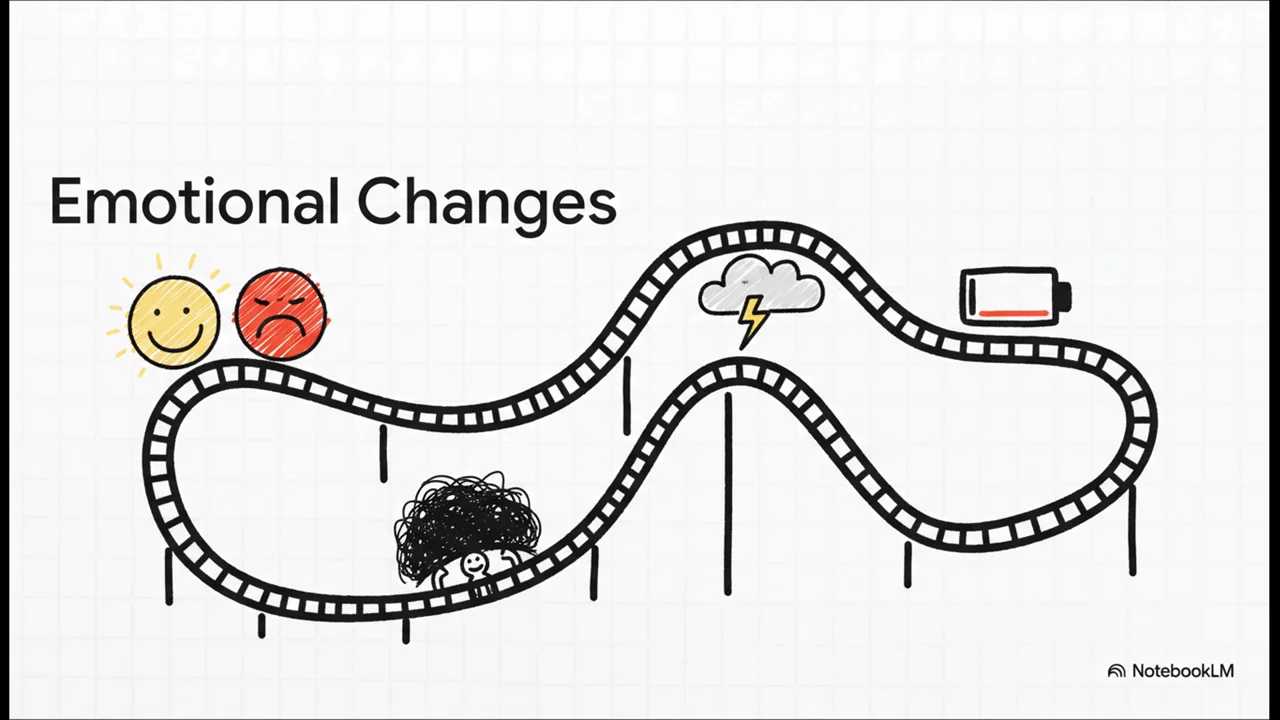
As you move through the menopausal transition, it is very common to notice changes in memory, focus, and mood. Many women describe “losing words,” misplacing items, feeling less sharp at work, or riding an emotional roller coaster they do not recognize. Often the comment "I just don't feel like myself anymore." These experiences are real, valid, and strongly linked to hormonal changes in the brain during the menopausal transition.
How Hormones Affect Brain Function
Menopause is officially defined as going 12 consecutive months without a menstrual period, but changes in your brain and body begin years earlier in perimenopause. During this time, estrogen levels become erratic and then gradually decline, while other hormones like follicle‑stimulating hormone (FSH) and luteinizing hormone (LH) rise. One large review notes that “estradiol has extensive effects on neural systems underlying memory, attention, and executive function,” helping explain why many women notice cognitive shifts at midlife.
Estrogen is not just a reproductive hormone; it has powerful effects on brain cells, neurotransmitters, and blood flow in areas responsible for memory, attention, and emotional regulation. When estradiol levels fall, women often experience:
- Forgetfulness and “brain fog”
- Difficulty concentrating and multitasking
- Slower word finding and processing speed
- Increased anxiety or low mood
Observational studies suggest cognitive complaints are most noticeable in the perimenopausal and early postmenopausal years and often plateau later on. UCLA Health reports that “about two‑thirds of women report problems with memory and thinking during the menopause transition,” reinforcing how common this is.
Mood Swings, Anxiety, and Feeling “Not Yourself”
Mood swings, irritability, and episodes of anxiety or depression can intensify during menopause. This is partly due to fluctuating estrogen influencing neurotransmitters such as serotonin and dopamine, which help regulate mood and resilience to stress. The Menopause Society (formerly known as the North American Menopause Society - NAMS) notes that “depression and anxiety are more likely to occur during the menopause transition than before or after it,” especially in women with a prior history of mood disorders.
Common emotional changes include:
- Sudden shifts from calm to irritable or tearful
- Feeling more overwhelmed by everyday stressors
- Heightened worry or “doom thinking”
- Lower motivation and enjoyment
These symptoms can be worsened by hot flashes, night sweats, and poor sleep, creating a vicious cycle where fatigue further worsens mood and coping capacity.
What You Can Do to Support Your Brain
The good news is that there are many strategies to support brain health and emotional wellbeing during menopause.
- Prioritize sleep: Work on consistent sleep and wake times, a dark cool bedroom, and limiting screens at night. Better sleep improves mood and cognitive function in midlife women
- Move your body: Regular physical activity supports blood flow to the brain, reduces anxiety, and improves executive function. Even brisk walking most days makes a difference. For example aiming to move your body daily for 150 minutes a week which is 25 mins daily and having 2-3 sessions of resistance training a week is crucial for body and brain
- Train your brain: Reading, learning new skills, and mentally engaging activities help keep memory circuits active.
- Cognitive‑behavioral therapy (CBT) strategies: CBT‑based tools can help you reframe anxious thoughts, manage stress, and cope with brain fog more effectively.
Hormone Replacement Therapy (HRT) or Menopausal Hormone Therapy (MHT)
For some women, HRT or MHT may be an option to reduce hot flashes, improve sleep, and indirectly help cognitive and mood symptoms. A recent review notes that the long‑term cognitive effects of MHT appear to depend on timing, dose, and regimen, rather than being uniformly beneficial or harmful.
If you feel like your memory, focus, or mood have changed significantly, you are not “losing your mind”—you are moving through a major neuroendocrine transition. With the right information and support, it is possible to feel clearer, calmer, and more like yourself again.
To your best health,
Dr. Amy Tung, ND
Naturopathic Doctor | Menopause Society Certified Practitioner
References:
Conley, A., Shokouhi, S., Dumas, J., & Newhouse, P. (2021). Cognitive Health After MenoPause (CHAMP) Study: A study of the health of the cholinergic system and risk factors for future cognitive decline in postmenopausal women aged 50‐70. Alzheimer's & Dementia, 17. https://doi.org/10.1002/alz.056309.
Maki, P., Springer, G., Anastos, K., Gustafson, D., Weber, K., Vance, D., Dykxhoorn, D., Milam, J., Adimora, A., Kassaye, S., Waldrop, D., & Rubin, L. (2021). Cognitive changes during the menopausal transition: a longitudinal study in women with and without HIV.. Menopause. https://doi.org/10.1097/GME.0000000000001725.
Ramli, N., Yahaya, M., Fahami, N., Manan, H., Singh, M., & Damanhuri, H. (2023). Brain volumetric changes in menopausal women and its association with cognitive function: a structured review. Frontiers in Aging Neuroscience, 15. https://doi.org/10.3389/fnagi.2023.1158001.
Sochocka, M., Karska, J., Pszczołowska, M., Ochnik, M., Fułek, M., Fułek, K., Kurpas, D., Chojdak-Łukasiewicz, J., Rosner-Tenerowicz, A., & Leszek, J. (2023). Cognitive Decline in Early and Premature Menopause. International Journal of Molecular Sciences, 24. https://doi.org/10.3390/ijms24076566.