
Menopause and Allergies: Causes, Symptoms, and Treatments for Midlife Reactions

Menopause is a natural biological process that marks the end of a woman's reproductive years. For many women, this transition comes with familiar menopause symptoms like hot flashes, night sweats, mood swings, and vaginal dryness. But for some, menopause can also affect the immune system, leading to new or worsening allergic reactions.
You might notice allergies in perimenopause or during menopause that you didn’t have before—anything from sneezing and itchy eyes to skin rashes, hives, or food sensitivities. These reactions are often linked to hormonal fluctuations, especially changes in estrogen.
Can Menopause Cause Allergies?
Menopause related allergies are real, and they’re often triggered by changes in estrogen that affect your immune response. Allergies are abnormal immune reactions to normally harmless substances like pollen, dust mites, pet dander, or certain foods.
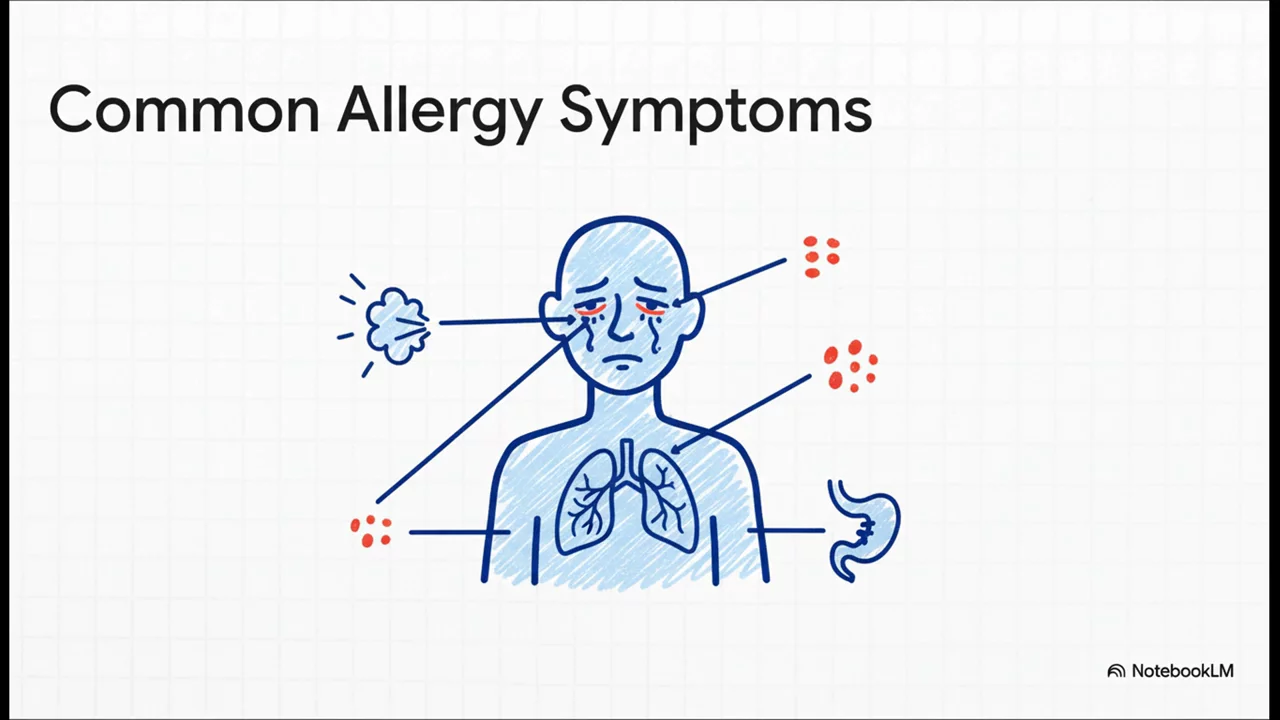
During menopause, shifting hormone levels—particularly a drop in estrogen—can make the immune system more reactive. This can lead to:
- Sneezing, runny nose, nasal congestion
- Itchy or watery eyes
- Skin rashes or hives (yes, menopause can cause hives)
- Asthma flare-ups
- Increased menopause food intolerances or sensitivities
Some women also find their existing allergies worsen during menopause, while others develop brand-new allergic reactions in midlife.
Understanding the Link Between Hormones and Allergies
In summary:
- Menopause can trigger or worsen allergic reactions due to hormonal changes that affect your immune system.
- Common menopausal allergy symptoms include sneezing, itching, runny nose, and watery eyes, as well as skin rashes, hives, or asthma in some cases.
- Lifestyle changes and natural remedies may help manage menopausal allergies, but it's important to talk to your healthcare provider before trying any new treatment.
Understanding Menopause and Allergic Reactions
As you go through menopause, your body undergoes hormonal changes that can affect your immune system and make you more susceptible to allergic reactions. In this section, we will explore how menopause can impact your immune system and the different ways it can manifest as allergic reactions.
Hormonal Fluctuations and Immune System
During menopause, your hormone levels fluctuate, which can have an impact on your immune system. Estrogen, in particular, plays a crucial role in regulating the immune system, and changes in estrogen levels can affect the immune response.
One of the ways that hormonal fluctuations can impact the immune system is by affecting mast cells. Mast cells are immune cells that are involved in the release of histamine, a chemical that triggers allergic reactions. Estrogen can affect the number and activity of mast cells, and changes in estrogen levels can lead to an increase in mast cells and the release of histamine.
Identifying and Managing Allergy Symptoms
Menopause can be a time when allergies become more prevalent and severe. Allergic reactions can cause a variety of symptoms, including runny nose, itchy skin, hot flushes, watery eyes, and nasal congestion. In this section, we will discuss common allergens during menopause and effective treatment options.
Common Allergens and Menopause
During menopause, hormonal changes can cause the nasal mucosa to become more sensitive to allergens. This can lead to an increase in allergic rhinitis and asthma symptoms. Common allergens during menopause include pet dander, seasonal allergies, and new allergies. Food intolerances and food allergies can also worsen during menopause due to changes in the digestive system.
Symptoms of allergies can vary from person to person and can include itchy eyes, skin irritations, and hay fever symptoms. If you suspect you have allergies, it is important to identify the allergen causing your symptoms. Keeping a diary of your symptoms and when they occur can help you identify potential allergens.
Effective Treatment Options
There are several treatment options available for managing allergy symptoms during menopause. Nasal sprays, antihistamines, and allergy shots can all be effective in reducing symptoms. Additionally, avoiding allergens can help prevent symptoms from occurring.
If you have food sensitivities or food allergies, it is important to avoid the allergen. Reading food labels and asking about ingredients when eating out can help you avoid potential allergens. Taking vitamin D and omega-3 supplements may also help reduce allergy symptoms.
In conclusion, identifying and managing allergy symptoms during menopause can be challenging, but there are effective treatment options available. By identifying potential allergens and avoiding them, you can reduce your symptoms and improve your quality of life. Consult with your healthcare provider to discuss the best treatment options for you.
If you are experiencing allergies during menopause, there are several lifestyle and natural remedies you can try to alleviate the symptoms. Here are some of them:
Dietary Adjustments and Supplements
Making dietary adjustments and taking supplements can help alleviate allergy symptoms during menopause. Oakville naturopaths recommend incorporating more foods that are rich in vitamin C and have natural antihistamine properties. This includes citrus fruits, kiwi, strawberries, and bell peppers. Additionally, incorporating foods that have anti-inflammatory properties such as turmeric, ginger, and omega-3 rich fatty fish can also help.
Supplements such as vitamin C, probiotics, and quercetin have also been shown to have positive effects on allergy symptoms. Vitamin C is a natural antihistamine and can help boost your immune system. Probiotics can improve gut health and the gut microbiome, which can help reduce inflammation and improve overall health. Quercetin is a natural antihistamine and can help reduce inflammation and improve liver function.
Common symptoms of perimenopause allergies and menopause allergies include:
- Sneezing, runny or blocked nose
- Itchy, watery eyes
- Skin rashes, hives, or swelling (can hot flashes cause hives? Yes—heat from hot flashes can sometimes trigger skin irritation)
- Wheezing or asthma symptoms
- Digestive issues linked to menopause food sensitivities or menopause food intolerance
Keeping a symptom diary can help you identify patterns and possible triggers.
Common Triggers During Menopause
- Seasonal allergens (pollen, grass, mold)
- Pet dander
- Dust mites
- Certain foods (dairy, gluten, alcohol, spicy foods)
- Temperature changes (heat from hot flashes can aggravate skin)
- Hormonal changes may also impact gut health, which can influence menopause food sensitivities and digestive reactions.
Menopause Allergies Treatment Options
- Effective treatments for menopause allergies may include:
- Antihistamines (over-the-counter or prescription)
- Nasal sprays for congestion and allergic rhinitis
- Allergy shots (immunotherapy) for long-term relief
- Avoiding identified allergens
- Managing food triggers by reading labels and making dietary adjustments
Some women benefit from adding vitamin D3, omega-3s, or probiotics to support immune balance. Always consult your healthcare provider before starting supplements or new treatments.
Lifestyle and Natural Remedies
Lifestyle changes can make a big difference for menopausal allergy symptoms:
- Dietary Adjustments
- Eat more vitamin C–rich foods (citrus, strawberries, kiwi) for natural antihistamine effects
- Add anti-inflammatory foods like turmeric, ginger, and fatty fish
- Avoid foods that trigger menopause food intolerance or sensitivities
- Stay hydrated to help flush out allergens and reduce histamine buildup
- Practice stress-reducing activities like yoga, meditation, or deep breathing (stress can worsen allergies)
- Try nettle tea, honey, or apple cider vinegar (with your doctor’s approval)
Whole body Natural Health Approaches
Whole body natural approaches can also be effective in reducing allergy symptoms during menopause. One of the best things you can do is to drink plenty of water. This can help flush out toxins and improve overall health. Additionally, practicing stress-reducing techniques such as meditation, yoga, and deep breathing can help reduce inflammation and improve overall health.
Good news for those who love spicy food, spicy foods can help clear out sinuses and reduce inflammation. Additionally, using natural remedies such as nettle tea, honey, and apple cider vinegar can also help reduce allergy symptoms. Nettle tea is a natural antihistamine and can help reduce inflammation. Honey has natural antibacterial and anti-inflammatory properties, while apple cider vinegar can help improve gut health and digestion.
By incorporating these lifestyle and natural remedies into your routine, you can alleviate allergy symptoms during menopause and improve your overall health.
If you would like to book a free discovery call with Dr. Amy schedule here.
To your best health,
Dr. Amy Tung, ND
Naturopathic Doctor
Menopause Society Certified Practitioner
Disclaimer:
Interested in learning more about working with me?
Book a free discovery call virtually (Ontario residents only).
