
Food as Medicine: Nutrition Strategies for Menopause Wellness
The Role of Nutrition in Menopause
Menopause is a natural transition, but it often brings symptoms such as hot flashes, sleep disturbances, mood swings, and metabolic changes. A naturopathic approach emphasizes that food is not only fuel — it’s medicine.
The right diet can help balance hormones, protect against osteoporosis and heart disease, and improve long-term well-being.
Key Nutrients for Menopause Wellness
1. Phytoestrogens
Phytoestrogens are plant compounds that mimic estrogen, offering gentle support during hormonal decline. While phytoestrogens may offer mild relief for some menopausal symptoms, especially hot flashes, the overall evidence is mixed and effects are generally modest compared to hormone therapy.
Phytoestrogens are plant-derived compounds with estrogen-like activity, commonly found in soy, flaxseed, and red clover. They are widely used as an alternative to hormone therapy for managing menopausal symptoms due to concerns about hormone therapy risks.
“Phytoestrogen intake improved vasomotor symptoms, mood, and overall quality of life in postmenopausal women” (Leyva et al., 2025).
Tip: Add 1-2 tblsp ground flaxseeds to oatmeal or greek yogurt.
2. Bone-Building Nutrients
Declining estrogen increases osteoporosis risk, but nutrition and lifestyle factors such as resistance training can counteract this bone loss. Dietary calcium, magnesium and Vitamin D are all important nutrients for bone health.
Calcium: leafy greens (kale, bok choy), almonds, sesame seeds, fortified plant milks.
Magnesium: pumpkin seeds, quinoa, black beans, spinach.
Vitamin D: sunlight plus salmon, eggs, fortified milks.
“Dietary calcium and vitamin D remain central in preserving bone health during the menopausal transition” (Ali et al., 2024).
3. Heart-Healthy Foods
Postmenopause raises the risk of cardiovascular disease due to the hormone changes and natural changes that occur with aging. Lifestyle changes to protect our heart health, diet focused on anti-inflammatory nutrient foods are important. The Mediterranean Diet (MED Diet) is an important base for your diet. You can download my free MED Diet checklist here.
Omega-3s: chia seeds, flaxseeds, walnuts, salmon, sardines & mackarel.
Antioxidants: berries, green tea, dark chocolate.
Fiber: whole grains, legumes, fruits, vegetables, psyllium husk fibre, chia seeds.
“Nutritional interventions targeting cardiovascular risk are essential in postmenopausal women, with emphasis on omega-3 fatty acids and plant-based diets” (Leyva et al., 2025).
4. Foods to Limit for Symptom Relief
Certain foods can worsen menopausal symptoms and it is important to see if your symptoms worsen with any of the following foods.
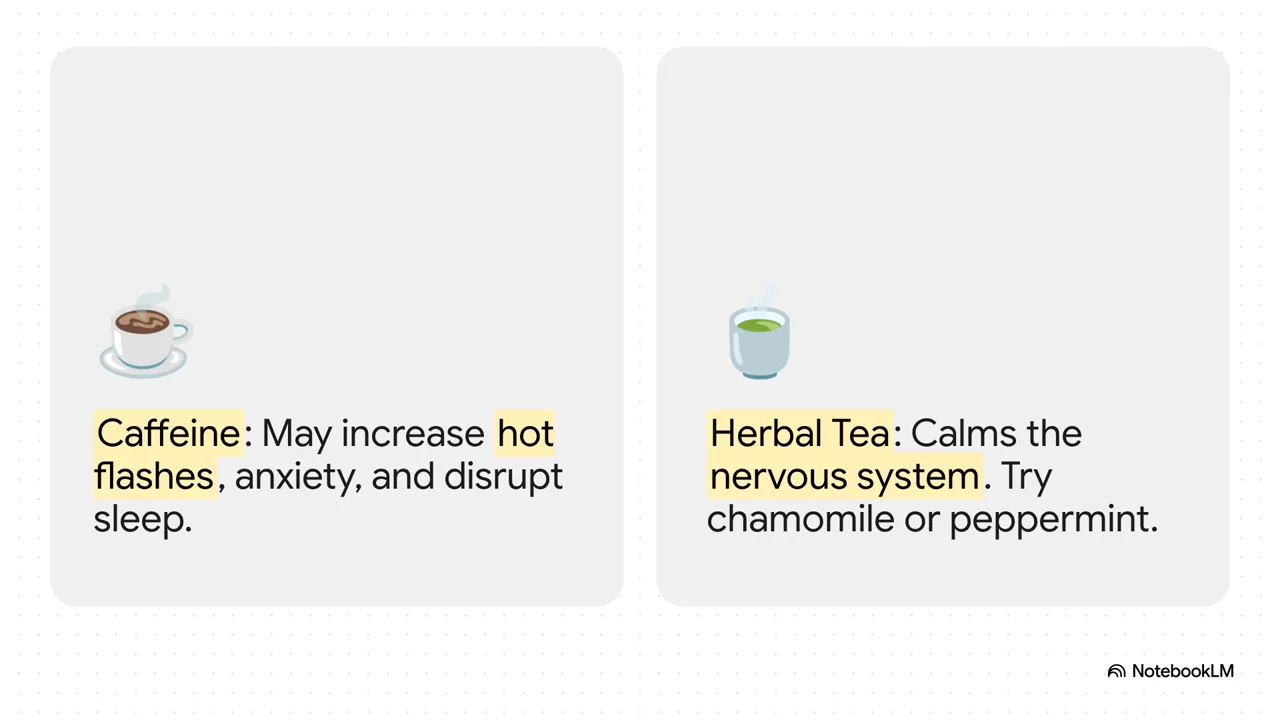
Caffeine: may increase hot flashes, anxiety and disrupt sleep. (E.g. Coffee is approximately 100mg of caffeine vs decaf coffee which is 30 mg or green tea is 30mg caffeine.)
Alcohol: linked to more frequent hot flashes and reducing alcohol is important for breast health.
Processed foods & sugar: contributes to weight gain and mood swings and can impact blood sugar and diabetes risk as well as heart disease risk
Tip: Replace your afternoon coffee with herbal teas like chamomile or peppermint to calm the nervous system or a cup of kombucha for your digestive system.
Mindful Eating for Hormonal Health
Nutrition is about how you eat as well as what you eat. Stress and rushed eating worsen symptoms. Looking for more information on protein? You can download my free ebook here.
Mindful eating: slow down, savour food, tune into hunger cues.
Balanced blood sugar: pair adequate protein, fibre, and healthy fats at every meal.
Hydration: 6–8 glasses of water daily reduces bloating, supports skin, and eases hot flashes.
“Dietary mindfulness and structured meal timing improved sleep quality and reduced vasomotor symptoms” (Ali et al., 2024).
A Naturopathic Sample Plate for Menopause Wellness
Breakfast: Overnight chia pudding (start with 1 tblsp ground flaxseeds, chia seeds, 1/3 cup almond milk, and 1/4 cup berries. Add 1 scoop whey protein isolate powder. And mix and let sit in the fridge overnight).
OR
1/3 cup of egg whites plus 2 whole eggs scrambled and add your vegetables of choice (e.g. onion, peppers, mushrooms, etc)
OR
Protein smoothie: 30-50grams of protein powder blended with 1/2 cup liquid of choice and 1/4 cup of berries and 1 tsp psyllium husk powder. Drink immediately
Lunch: Quinoa salad with chickpeas, lettuce, kale, roasted veggies, with dressing of extra virgin olive oil & tahini. Add 4-6 oz grilled chicken or tofu on the side. Top with 2 tblsp walnuts and a side of green tea.
Dinner: 4-6 oz Grilled salmon or steak with broccoli, sweet potatoes, and sesame seeds and a side greek salad with veggie soup topped with cottage cheese.
Final Thoughts
Menopause is not a one size fits all. Nutrition and dietary goals of protein and fibre are very critical during this time. Food can impact our overall health but it involved a wholistic approach and discussion with your health care provider if hormone replacement therapy (HRT) is an option for you.
With a food-as-medicine approach, women can reduce hot flashes, help to strengthen bones, protect their heart health, and manage weight naturally.
If you would like to book a discovery call to discuss your health concerns book here.
To your best health,
Dr. Amy Tung, ND
Naturopathic Doctor & Menopause Society Certified Practitioner (MSCP)
References
Ali, S., et al. (2024). Nutritional interventions in menopausal symptom management.
Leyva, S., et al. (2025). Impact of phytoestrogen use on quality of life of postmenopausal women.
Kotusiewicz, W., Siekierko, N., Żołnierek, M., Lewandowski, M., Gacoń, E., Zembala, J., Zapała, B., Ząber, A., Kucharski, J., & Świętochowski, J. (2023). The influence of phytoestrogens on alleviating symptoms associated with menopause. Journal of Education, Health and Sport. https://doi.org/10.12775/jehs.2023.38.01.001.
Patra, S., Gorai, S., Pal, S., Ghosh, K., Pradhan, S., & Chakrabarti, S. (2023). A review on phytoestrogens: Current status and future direction. Phytotherapy Research, 37, 3097 - 3120. https://doi.org/10.1002/ptr.7861.
Zhang, L., et al. (2024). Yoga and Tai Chi for improving quality of life in postmenopausal women (nutritional perspective included).
Disclaimer:
The information in this blog is for educational and informational purposes only. It is not intended to be a substitute for professional medical advice, diagnosis, or treatment. Always seek the guidance of your doctor or other qualified health professional with any questions regarding a medical condition or treatment. Never disregard professional medical advice or delay seeking treatment because of something you have read in this blog.
Individual results may vary, and the strategies discussed here are not guaranteed to work for everyone. This content does not create a patient-client relationship and should not be used as a replacement for personalized medical care.
Interested in learning more about working with me?
Book a free discovery call virtually (Ontario residents only).
